

Email: Tel: 01827 768 286

The sort of pictures, videos, colours and symbols that you associate with your brand can heavily influence the emotions of your market. You can use this as an asset to put your company in a position that people will aspire to reach.
How you intend to interact with your market depends on the type of people in it and the methods of interaction they prefer. In today’s world, numerous platforms are available for advertising and promoting your products or services. Examples are websites, explainer and promotional videos, social media applications and campaigns, and TV and print commercials.
With marketing campaigns requiring coverage on all of these platforms, the process can be overwhelming, and maintaining consistency can be difficult.
Here are 52 Degree North‘s ten tips for building your brand across platforms:
The best thing you can do for your business is to know its ins and outs. You will promote your well-established company values, social alignments, goals and key messages. Processes like brand audits can help you assess your current standing to understand how far off you are from achieving your business objectives. Creating plans that will help you achieve your goals will also help you remain consistent.

The best way to ensure your marketing campaigns succeed is to stay in touch with your target market. You can make informed choices by knowing changes in consumer tastes, needs, desires and trends.

To remain competitive in today’s market, you will have to know which platform for marketing will be right for you. With so many options, you will have to filter them based on the campaign’s aim: more attention, product sales, brand introduction, or simply rebranding.

The colour you use to represent your brand can help with recognition and say a lot about your business. For instance, specific colours like blue and red have been linked to feelings of serenity and power. Tiffany & Co, for example, is known for its baby blue brand colour. Consistent use of the colour is bound to give you maximum recognition.

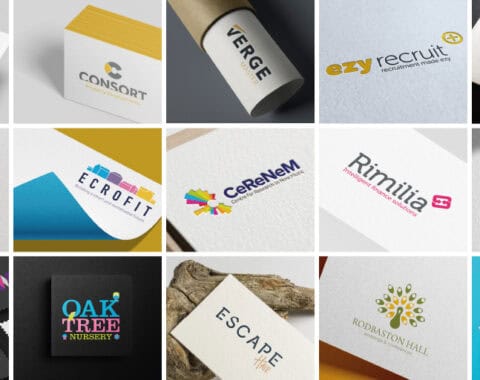
Brands that extensively use their logo in marketing campaigns can increase recognition and brand recall. Since each logo is distinctive. The most successful businesses that have built their brand identities have become recognisable just by their image. Nike, for example, has its trademark check sign, just as Audi has its rings. Even if you take one look at their logo, you will be able to name the company.

Well-received typography is essential for building brand loyalty. Increased use of the style that promotes written text often ensures that all channels make brand recognition. The font you use can heavily impact the reader’s perception; for instance, Sans Serif is preferred for online writing because it is perceived as more transparent and easier to read.

The kinds of pictures, videos, colours, and symbols you associate with your brand can heavily influence your market’s emotions. You can use this as an asset to put your company in a position that people will aspire to reach. For instance, symbols that indicate you are environmentally friendly can go a long way in boosting customer reception of your product/services.

The layout of your business can boost user experience. The design layout is essential for online companies like Amazon, which thrive based on their user experience. The information should be logical to follow, but it should be present in appropriate amounts. Don’t cram too much that causes agitation, and not too little that they turn to your competitor.
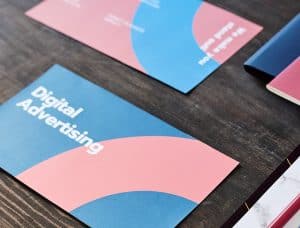
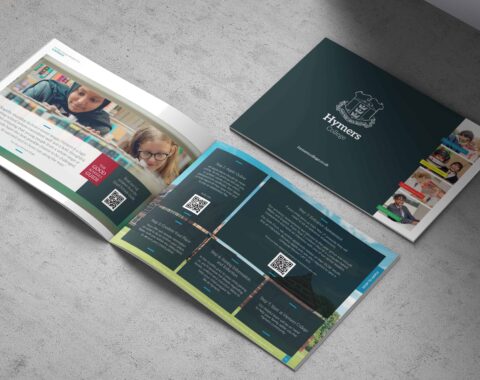
As you gain recognition, aim to formalise your brand. You should pass on brand books that emphasise and ground your brand’s values and integrity.

Once you have gone through a campaign, the most helpful thing to do is to track the performance. Understand what aspects were highly successful and what failed to meet their aim. This way, you will design and create a more specific campaign the next time.
To ensure effective brand implementation, you must maintain consistency. It is the one quality that will help increase identity, recognition, equity and growth.

Let's get straight to it. Design isn't just about making things look pretty (though we're rather good at that).
Let's get straight to it. Design isn't just about making things look pretty (though we're rather good at that).