

Email: Tel: 01827 768 286

It used to be that identifying oneself as a designer naturally suggested a certain level of ability, but these days, anyone with a laptop, a cappuccino, and Photoshop can enter the market and call themselves a “Designer.”
In most cases, education, certification, and talent were all anticipated, or at least communicated. The availability of royalty-free stock photos, clip art, and fonts at the touch of a mouse.
This signifies the official equality of digital creation. Consequently, there may be misconceptions about the significance of design (and its source of value). In the majority of sectors, a project’s worth is not based on how long it took to finish or how many colours it used. It all comes down to how it will affect your business and the level of skill that went into making it.
So let’s take a look at the latter.
For the most part, it goes something like this… In a park, a woman approaches Picasso and asks him to sketch her. Picasso agrees. He takes a brief interest in her, paints her portrait in a single stroke, and then hands her his finished work of art. She exclaims over the piece before inquiring how much she owes him, to which he responds with a sum of £5000. However, she points out that it only took a second for you to draw!
Additionally, the experience itself can be the best form of education, rather than design, marketing, or software training. With each project completed by a designer or agency, many lessons are learned, problems are solved, and efficiencies are gained. As a result, those are the lessons learned and efficiencies gained that will be applied to your project when the time comes, having been “tested” on someone else’s dime, if you will.
There is a common misconception that it should be inexpensive if something can be created or revised quickly. On the other hand, true professionals can deliver a high-quality product promptly because of their expertise and experience. You wouldn’t expect to be charged more at a restaurant if the service was slow, now would you?
If you haven’t heard the stories about Picasso and his sketches before, you should look them up online. For the most part, it goes something like this… In a park, a woman approaches Picasso and asks him to sketch her. Picasso agrees. He takes a brief interest in her, paints her portrait in a single stroke, and then hands her his finished work of art. She exclaims over the piece before inquiring how much she owes him, to which he responds with £5000. However, she points out that it only took a second for you to draw! “Madame, it took me my entire life,” Picasso responds.
Finally, an experienced designer or agency will think in terms of the big picture. They’ll look at things from a different angle, disassemble them, and reassemble them in new and creative configurations. They will have a solid understanding of how minor changes to colour, imagery, placement, and type affect how your audience behaves. A designer will consider how your project fits into the bigger picture of your current materials, business environment, and competitive landscape. Because of this, an experienced designer will be a trustworthy business partner.
You’ve probably heard the expression, “you don’t know what you don’t know?” Expertise is similar to good design in that it is most effective when it is almost invisible. However, this does not imply that it should go unnoticed. It’s impossible to know precisely what you’ll be giving up by hiring an amateur designer or undertaking a project yourself unless you try it out first.
The outcome may be acceptable… Will it, however, be spectacular?
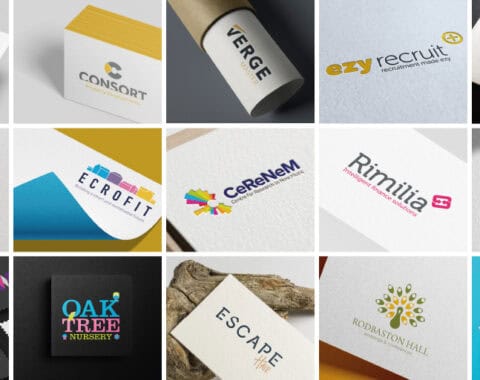
Let's get straight to it. Design isn't just about making things look pretty (though we're rather good at that).
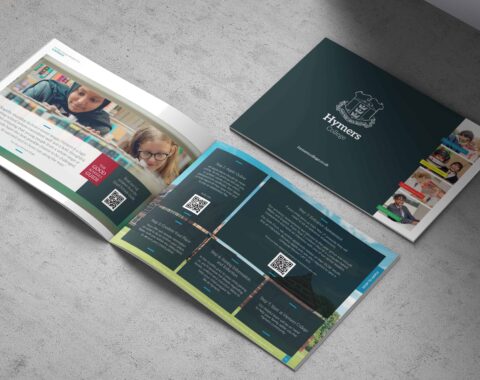
Let's get straight to it. Design isn't just about making things look pretty (though we're rather good at that).